 Shaking Head Trend AI
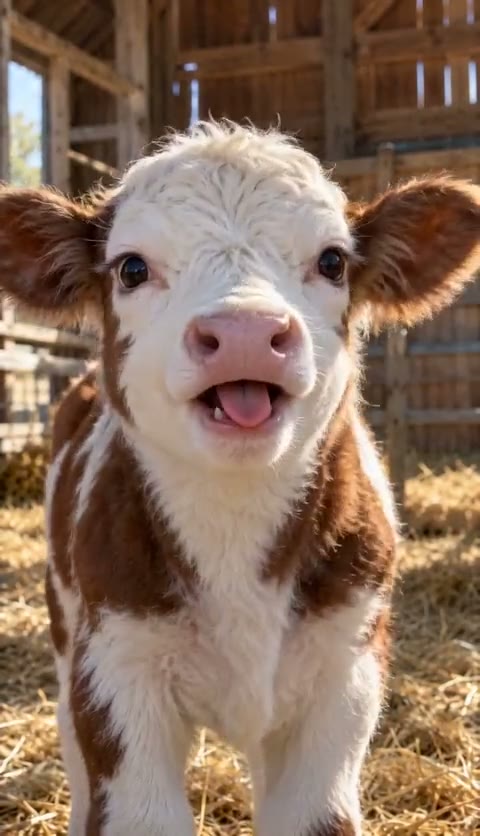
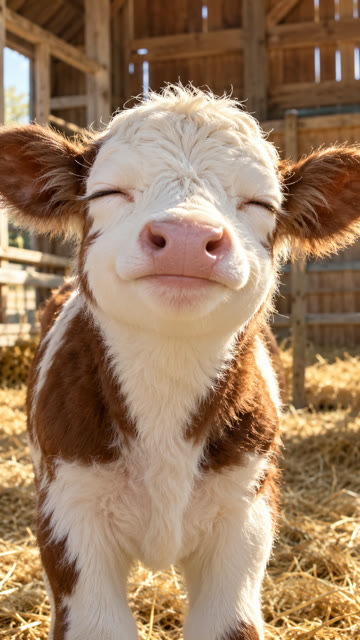
What the head shake and tongue-out stare mean
The shaking head trend is an AI reaction meme where an animal sways with its eyes squeezed shut in a grin, then looks straight at you with its eyes wide open. Some versions add a little tongue sticking out. In the school-caption version, the animal plays the friend who caused the problem and won't stop grinning.
Watch the cat clip by @baller213465: roughly 0–1.25 seconds is a closed-eye smile with a sideways sway. Around 1.25–3.75 seconds, the eyes open and the tongue appears. The smile returns around 3.75–5 seconds, followed by another open-eyed reaction around 5–7.25 seconds. One more smile and tongue-out look fill the remaining seconds.
Those are approximate timings for that cat example, not a rule for every version. The head and upper body keep moving through the expression changes. That tiny tongue makes the stare look cheeky. Read it alongside the caption and the joke becomes: someone has made your day worse and seems very pleased about it.
AI supplies the exaggerated expression changes. You don't need to believe a cat understands a school exam for the caption to work. You're watching a human reaction acted out through an animal face.
Where did the calf and cat versions come from?
MakeViral's timeline dates an earlier AI water buffalo calf post by @sgfxking to August 14, 2026. It places the school-joke breakout on October 19, 2026, with @melvdih's calf video. A tabby-and-white cat posted by @baller213465 followed on October 20.
Sendare's account also describes the August calf and the October school-caption wave. These are secondary reports. They give us a sequence of examples, not proof of who invented the head movement.
The distinction matters if you first saw the cat: that version belongs to a format already used with a calf. The joke doesn't depend on a cat doing something cats normally do. The animal is playing a person in the caption, so a different animal can carry the same joke.
What do hb and the Chromebook caption mean?
In this context, hb means homeboy: a close male friend. Capital FM's explanation, published May 12, 2025, confirms that use. If the caption starts with "how ur hb looks at you," read it as "the look your buddy gives you."
The Chromebook joke casts that buddy as the person who shuts off your laptop during an exam. The detail about the test being worth 75% of your grade belongs to the caption's setup. It isn't a claim about anyone's actual school. The reported school caption gives the grin a reason: your friend has just caused a disaster.
Read it this way: you have an exam to finish; your friend looks delighted with the damage. The closed eyes suggest they're enjoying themselves. When the eyes open, they're looking right at the person who has to deal with it.
You can write a different mishap into that same setup. Try this made-up caption: "My cat after stepping on the keyboard and sending 'kkkk' to my boss." Put the words above the face so the tongue stays visible. A caption about your own mistake changes the role: the animal can stand in for you, caught in the act and still trying to look innocent.
Which sound goes with the head shake trend on TikTok?
If you're matching a clip you saw, start with the sound attached to that post. MakeViral's sound notes point to creator sounds attached to the calf and cat posts. They don't identify a confirmed song title, so we won't guess one.
A tutorial can have a different soundtrack from the animal clip it demonstrates. Listen to the part with the animal before choosing an audio track. Matching the caption alone won't tell you which recording you're hearing.
The music included with videos made here is music . It isn't the TikTok original sound. The included silent version gives you a copy without that music, so there's no second track playing underneath the sound you add.
TikTok lets you choose audio when uploading an existing clip, as its sound guide explains. Preview the whole video after adding it. Check the opening sway and the final tongue-out moment before deciding where the audio should start.
How to make one with your pet
To make yours, use one pet photo for a 15-second clip with about four rounds of the closed-eye shake and the wide-eyed look. Choose vertical 9:16 or horizontal 16:9; generation takes about 4–5 minutes. The step-by-step guide walks you through making your version.